
Restless Moon
- A History of Malaysia’s Punk Generation and Its Sounds
- The Ethical Troubadour: How To Keep It Real While Navigating Through Moral Panics And 'Yellow Cultures' In Malaysia
- Sonic Crossroads: Exploring Ethnicity and Language in Malaysian Independent Music
- Joe Kidd / The Ricecooker Archives
- Poodien
- Malaysian Punk Chronology
The Foolish Old Man Removes the Mountains
- The Appearance of Yang Kui's Images and Music Adaptation in the 1990s
- Yang Kui and the Young Taiwanese Protest Singer Chu Yueh-Hsin
- Collection and Modulation: The Public Archive Consciousness of Crystal Records
- Operates Beyond the Vulgar: Crystal Records
- Archival Dispatch, Oral Portraits – Huang Mingchuan on the Documentary of Yang Kui
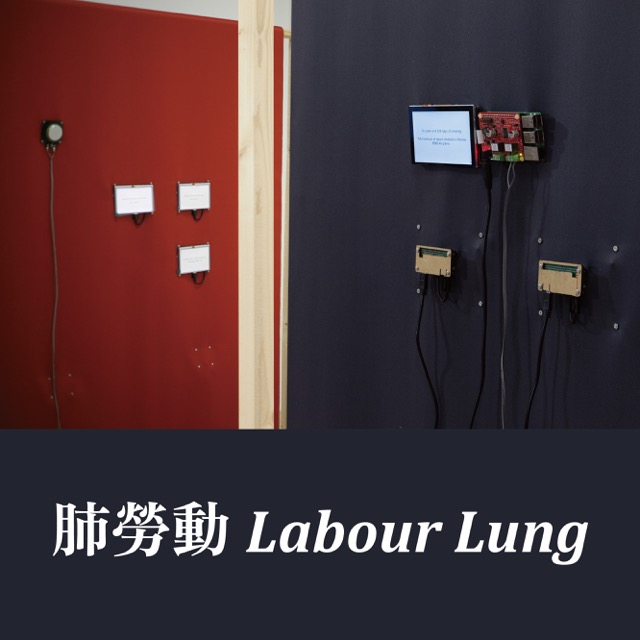
LABOUR LUNG
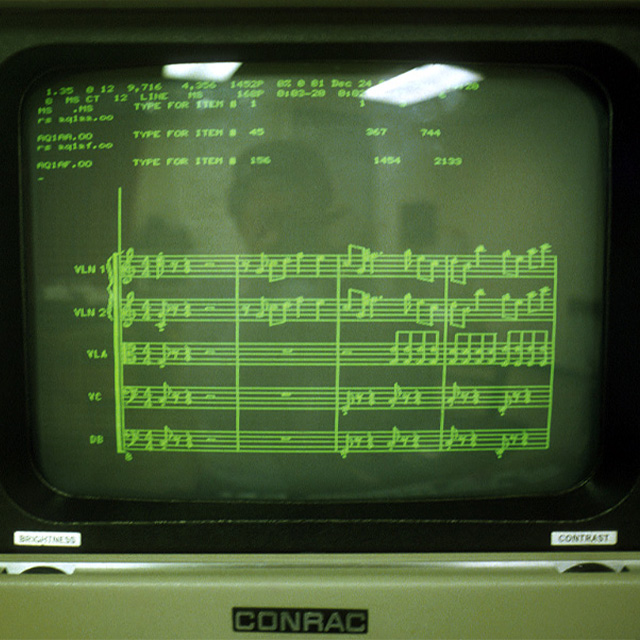
Melantun Records Pop-Up
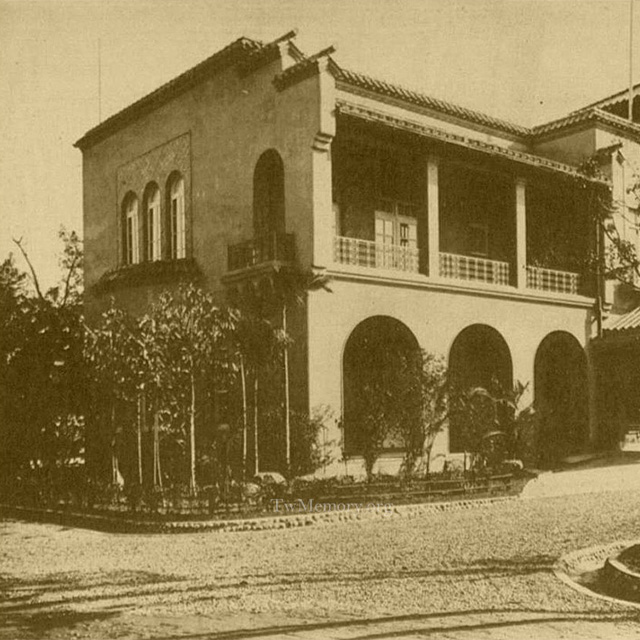
Rainy Night Flowers
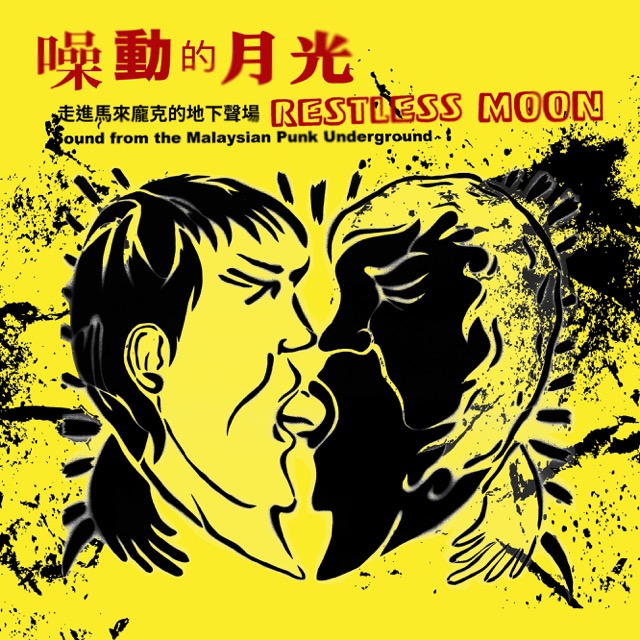
Restless Moon
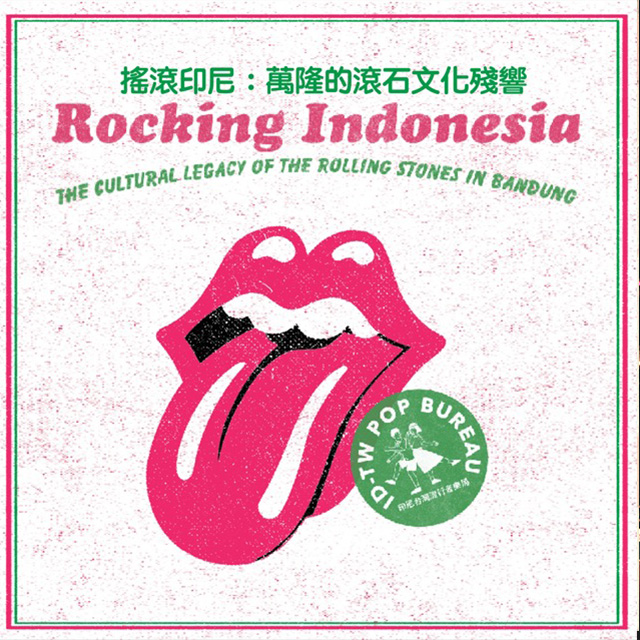
Rocking Indonesia
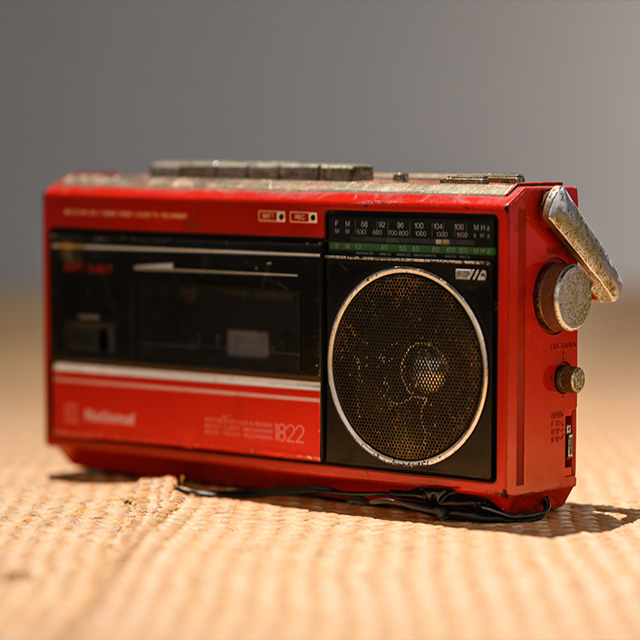
Silver Noise
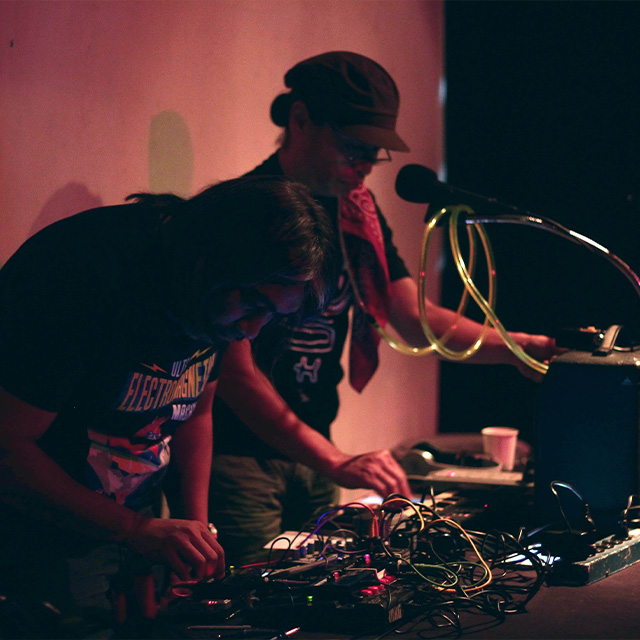
Taginting
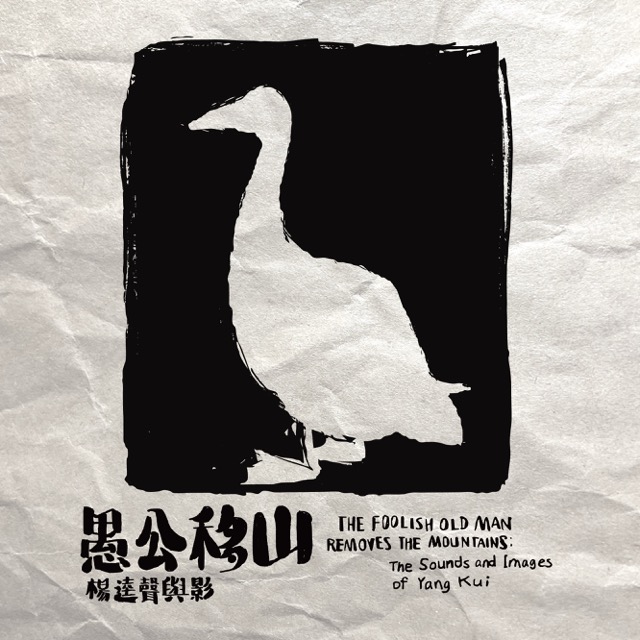
The Foolish Old Man Removes the Mountains
Sound Meridians
A Continuously Expanding Exhibition Project of Cultural Counter-mapping through Sound
The title “Sound Meridians” takes its inspiration from the concept of “meridians” in traditional Chinese medicine. Chinese medicine holds that human life is sustained by the circulation of vital energy (qi and blood) within the body’s “meridians.” Although Western anatomy cannot directly prove the existence of meridians, they belong to a philosophy of the body that remains perceptible and verifiable within non-Western empirical knowledge. The “Sound Meridians” project takes this understanding of the body as a methodological metaphor: it explores how cultures in different regions of the world circulate and propagate through sound, thereby constructing a dynamic and communicative public sphere. In this process, it investigates how sound culture serves as a medium and raw material for a topology of history, reflecting the unique historical contexts and cultural landscapes of specific locales.
“Sound Meridians” was initiated by TheCube Project Space in 2019. In its first phase, curators and teams from four different Asian regions were invited to propose projects. Taking the specific sound cultural contexts and creations of their respective countries or locales as their subjects, they curated exhibitions that stood on their own yet resonated with one another, treating the cultural contexts of Southeast Asia and Taiwan as a shared text. The works encompassed field research archives, audio recordings, videos, related audiovisual creations, and historical documents. This exhibition was presented at the Museum of Contemporary Art, Taipei (MOCA Taipei) in 2020 under the title Sound Meridians — Cultural Counter-mapping through Sound: Taiwan, the Philippines, Singapore, and Malaysia. In the English title, the curatorial team introduced the concept of “Counter-mapping,” a term rooted in radical geography. It originally refers to the efforts of marginalized groups to reclaim the power to define space by using cartographic tools to re-mark the boundaries and spatial meanings that have been erased or ignored by those in power.
The exhibition was originally scheduled to embark on an international tour and expand its sub-exhibition content in 2021. However, due to the global COVID-19 pandemic, the costs of a transnational tour increased significantly, and the overseas venues then under negotiation remained closed, making it difficult to advance the physical tour to the next stage.
Nevertheless, the obstacles in execution caused by the pandemic also prompted the curatorial team to rethink: Must “Sound Meridians” only be presented in the form of a physical exhibition? In fact, the portability and capacity for expansion inherent in “Sound Meridians” made it highly suitable for an online platform. Building an online platform allowed the project to transcend geographical boundaries and to invite more curators and artists from different regions to join. By weaving together their respective narratives of sound culture, they collectively draw a continuously expanding cultural map of “Sound Meridians.”
From Exhibition Space to Website, and Back Again
Entering its second phase in 2022, the project shifted to an online platform. In addition to transforming Labour Lung (exhibited at TheCube during the pandemic) into an online exhibition of its documentation, the project invited several researchers to serve as online curators, translating their field research and archival work into digital exhibition form.
However, the end of the pandemic, together with the depth these online projects had accumulated, led us to reconsider what a physical exhibition offers that online curation cannot: the bodily presence of an audience in a shared space. Through the collaboration between TheCube and the curators, the online curatorial projects of the second phase were transformed, one after another, into physical exhibitions and presented at TheCube Project Space. Consequently, an organic dialogue formed between the online platform and the physical exhibition space: the website is no longer just an archival record of the exhibition, but has become a prelude, an extension, and a generative mechanism through which the exhibition continues to develop after it closes.
Conclusion
To date, “Sound Meridians” has accumulated eight exhibition chapters, spanning Taiwan, the Philippines, Singapore, Malaysia, and Indonesia, and extending into cross-regional histories of colonialism. Using sound as a clue, each chapter traces a forgotten minor history or reveals a story of a place unknown to the outside world. Although these stories and narrative methods vary, they resonate at a deeper register: how the experience of colonization, the wave of modernity, and the resulting resistance and reflection have profoundly shaped the conditions of our existence.
Beneath the superficial differences of geography and national borders, “Sound Meridians” uses sound as a medium that cuts across them, allowing us to hear again what we hold in common. This is not just a continuously expanding map of sound culture, but a long-term inquiry that reconstructs regional collective memory and cultural networks through sound.